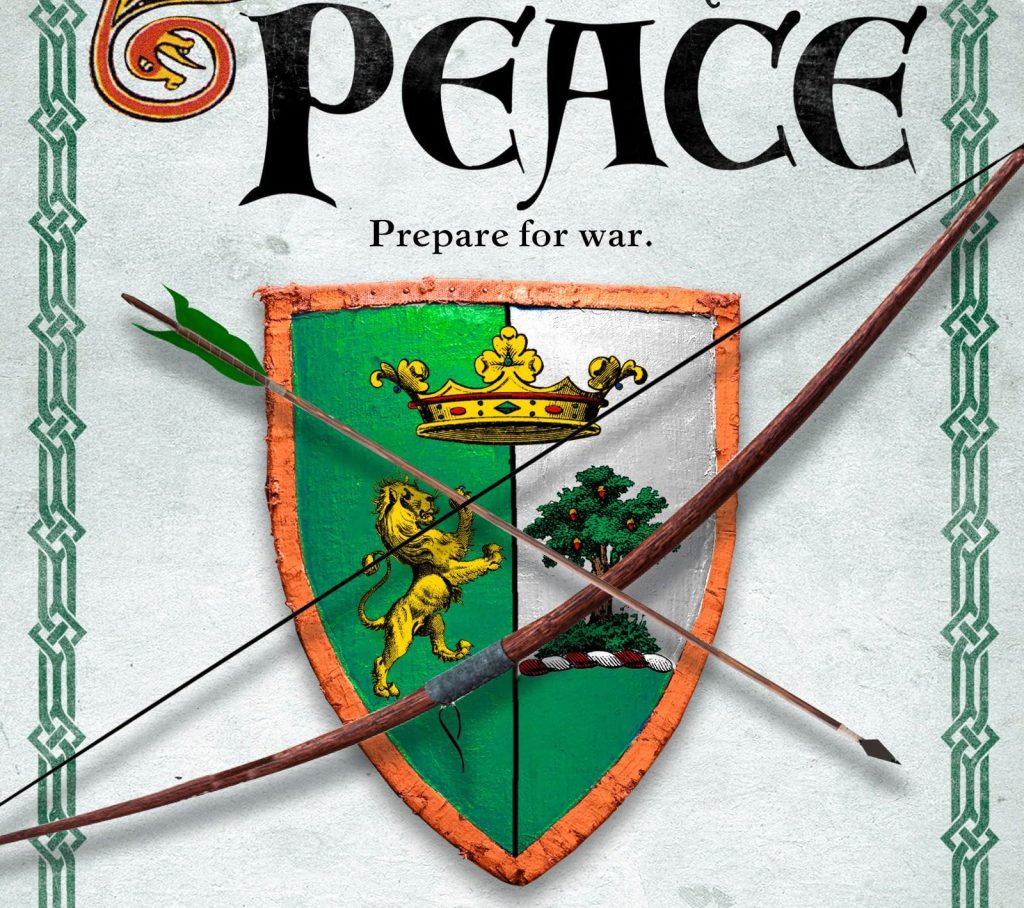
C. R. Dempsey, Breach of the Peace (CRMPD Media 2023)
https://www.goodreads.com/book/show/75436474-breach-of-the-peace?ref=nav_sb_ss_3_19
1590s Ireland.
This historical thriller tells the story of the Nine Years’ War (Tyrone’s Rebellion) fighting against ‘the heretic queen’, in those primitive, romantic days of guerrilla ambushes in the mountains, when the clans held power in Ireland a king still ruled in Leinster.
William Taaffe, sheriff of Sligo, aspires to the land of Turlough O’Hara. He demands protection money, calling it ‘the Queen’s taxes’, and murders the O’Haras so he can mark the land as ‘untenanted’. For his effort the governor Sir Richard Bingham gives him a castle but refuses him a promotion.
Things are looking good for Eunan Maguire. He’s a commander in the rebel army, fighting for Ireland’s freedom, and now a lord, and he is to be married to Sorcha MacBaron, in order to cement the alliance between the Maguires and the O’Neills. He admits to his uncle Seamus MacSheehy and aunt Dervella that he loves another.
The newlyweds are off to Dungannon, where Eunan will train men, but the bride is ill, so they divert to her home, Augher Castle.
His relationship with his indomitable father in law is improved when he rescues Sorcha’s brother from Taaffe’s prison but remains strained as the father protects his sickly daughter. By day, he trains his men; by night, love blossoms, and Sorcha is with child. But she miscarries, time and again.
Seamus and his band take Ballinacor Castle, sparking a war of attrition. Eunan and his Galloglass (fighters) are with the Maguire (‘Red Hugh’), allied with the O’Donnells and clans of Connacht. The tale ends after the Battle of Yellow Ford with the rebel Irish still undefeated.
It is Book 4 in the Exiles series; there is considerable backstory, which we have to absorb in the first few chapters, which, though well done, is a bit difficult to catch up on.
These events and many of the characters are true to history. I was expecting Eunan to be the central protagonist, but Seamus takes center stage for much of the story. Taaffe is so evil, you’d think he was a made-up antagonist, but apparently, he really was that horrible.
The author himself berates his obsession with excessive research, but his writing is not overly dense with historical detail. Instead, there’s a real feel for the period and understanding of the lives of these early Irish rebels. The politicking between men jostling for power and position is complex, fascinating and makes for great fictional drama.
Fans of military fiction would find the excitement, fear and hatred of warfare well depicted. This review first appeared in Reedsy Discovery.


 Susie Helme