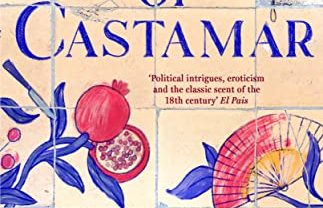
Fernando J. Múñez, The Cook of Castamar (Apollo 2024)
Clara, high-born but without means after the death of her father, obtains a position as assistant cook in the palace of the Duke of Castamar, Don Diego. She has agoraphobia and is afraid to go outside the kitchen. She is under the thumb of housekeeper Úrsula, who commands even the butler Melkíades, and the head cook Escrivá. Clara’s skill is exceptional, and she is promoted to head cook, whipping the kitchen into shape and producing culinary masterpieces.
There’s politics upstairs, too. Everyone has secrets—on which enemies of the duke seek to capitalise to wreak their vengeance.
Upstairs is Don Diego, his mother Doña Mercedes, his adopted black brother Don Gabriel, and his suitor Lady Amelia. Diego’s friends Don Enrique, Don Alfredo, Don Francisco and Mercedes’ friend Doña Sol are frequent visitors. A complex web is woven of secret vendettas and forbidden romances.
Clara is noticed by the duke, who is also bereaved, and an impossible romance brews.
Despite the jealousies downstairs and the machinations upstairs, Clara manages to act in each instance with integrity. She is called upon to save her master, her heroism all the more laudatory as she struggles against her condition. The Castamar brothers conclude that one should find one’s true self, fall into the arms of the person you love, regardless of their race or class. True nobility is from the heart.
Set very much in the time, with historical backstory and political intrigues. Deliciously detailed, right down to the porcelain. Contains some beautiful cuisine-related metaphors (e.g. ‘wobbled like a jelly that had just been turned onto a serving dish’). The descriptions of Clara’s experience during her agoraphobic episodes and as she tries to hide it are fantastic.
A gorgeous novel, best-seller in Spain. Has been made into a sumptuous Netflix series, with some unnecessary plot changes.
This review first appeared in Historical Novels Review.








 Susie Helme