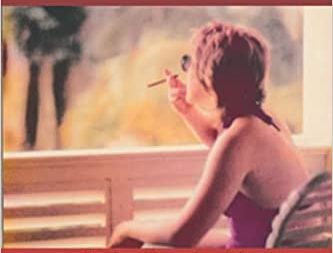
Judy Goodrobb, Jamaican Transit (Kindle 2021)
Joanna sits on her porch in Negril, a small fishing village in Jamaica, between boyfriend Michael and friend Dave. ‘Smoke some herb, mahn?’ says Jeevan from the shadows. Dave lights up. ‘Is cool, mahn,’ says Jeevan. ‘Babylon (the police) long gone.’
Now that their dog Reggae is dead, killed in a horrific train accident, they could stay up to a month, hopefully long enough to heal their relationship. The sun high, they sip on beers to cool them; they’re already high on the ganja. Some ganja-smoking Jamaicans are hauling a shack down the road, and Michael joins the crowd, to Joanna’s dismay. He’s taken with him the key to the room. Giving up, she goes in to the bar and orders a beer. She goes off with Dave to smoke. On her way home, appreciating a beautiful sunset, she finds tears streaming down her face.
Back on the porch, Michael says, ‘We’re supposed to be having fun.’
The next day, the three go to the beach, Michael snorkelling and Dave and Joanna sunbathing. She drifts off to come to with Jeevan standing next to her and the two others in the water. ‘Want to taste some Jamaican cock?’ he asks. Only joking, he invites the three of them to dinner. His ‘woman for now’ Dahlia is cooking up a rooster (cock) killed by a motorcycle.
The holiday continues not to be the magic bullet for Joanna’s and Michael’s relationship, while her attraction to Dave grows, and Michael keeps leaving them alone together. Michael drops a bombshell; he’s got to go back for work. He suggests Joanna stay for the rest of the holiday and even gives his blessing if she wants to have an affair with Dave. He might want the same freedom himself, he admits. But Dave gets bad news from home, and has to go back, too.
Joanna falls into the whole Jamaica experience—the real Jamaica, not the one enjoyed by tourists—continually finding something new to be amazed or perplexed by in the culture and in her personal relationships. Some Jamaicans offer her great life insights; others are dangerous. She begins to understand her responsibility; no longer is she the passive holiday-maker. ‘Jamaica ‘ave a lesson to teach yuh,’ says Momma Samuel. Joanna must not live in fear ‘lest death take yuh from behind’.
This novel is quite out of the ordinary. The descriptions of Jamaica and the portrayals of the culture are like gems. It also contains many very good descriptions of the altered consciousness when high on marijuana.
This review was originally written for Reedsy Discovery.



 Susie Helme