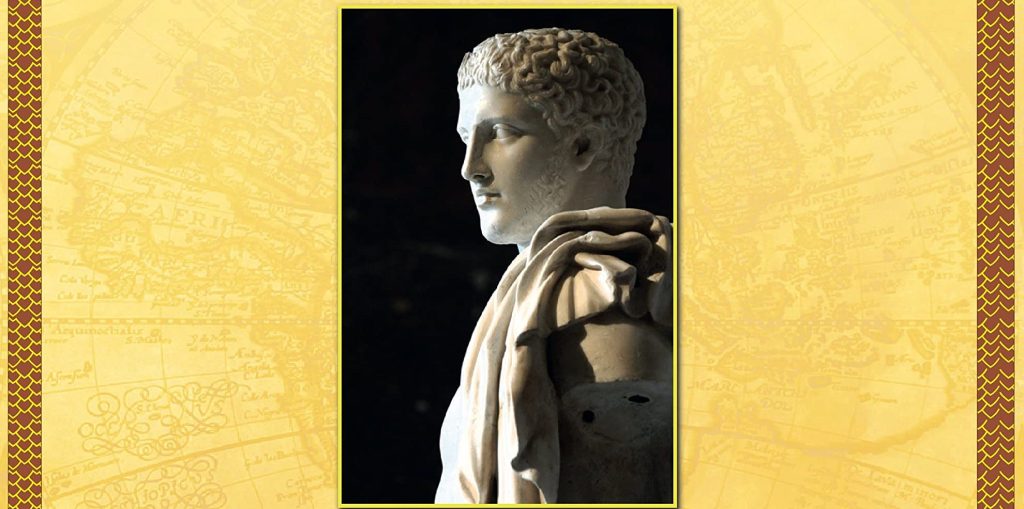
Gregory Michael Nixon, The Diomedeia (DokNyx Publishers 2022)
Against a backdrop of the Mediterranean Bronze Age Collapse, the Sea Peoples prepare to invade Hittite capital Hattusa. The Great King Suppilulima II worships at the temple of the Storm God Tarhunta. His Great Queen Lieia-Hepa schemes to return Hatti to female rule and the dominance of the Goddess Arinna. Approaching the city, they encounter a band of refugees, including Diomedes, Trojan War veteran and once king of now-fallen Tiryns, who had been held prisoner. Henti, the ex-harem-girl, interprets. They learn that the royal family, priests and nobles have deserted, carrying with them the Hatti treasure. Diomedes and his warriors go in pursuit to Lawazantiya, cult city of the goddess. Suppilulima has a crazed plan, but Diomedes and Co ally with Queen Lieia-Hepa, who has her own plan. Kabi the Canaanite has a better idea.
The Diomedeia constructs a scenario that elucidates the collapse of the Hittite Empire, involving famous kings and generals we know from Homer and from history and who are listed in an appendix. Many of the stories we know from mythology, Jason and the Argonauts, the fall of Troy, etc. are told as tales by warriors to each other.
I will grab up any book set during the Bronze Age, but this one is remarkable for what I assume is historical detail. A bit too much of it crammed into the first chapter, maybe, before we get a chance to get familiar with the characters. Some of it—descriptions of statues and rock carvings we can still see today—I think we could do without. It’s hard to say that, though, because we have little evidence of the period other than those artefacts and the occasional clay letter from one king to another.
The dialogue could have been more natural by observing the ‘three beat’ rule—long utterances need to be broken up by action points, dialogue tags or responses.
The war council between Kabi, Klymenos, and Sarpedon is great. From that point the plot and inter-personal drama become quite exciting, although the pace slackens towards the end as the fates of the Hatti and Diomedes and his People of the Sea are determined. The ending is disappointing, yet promises a continuation of series.
Don’t miss the well-researched appendices. In fact, I recommend reading them first.
This review was originally written for Reedsy Discovery.






 Susie Helme