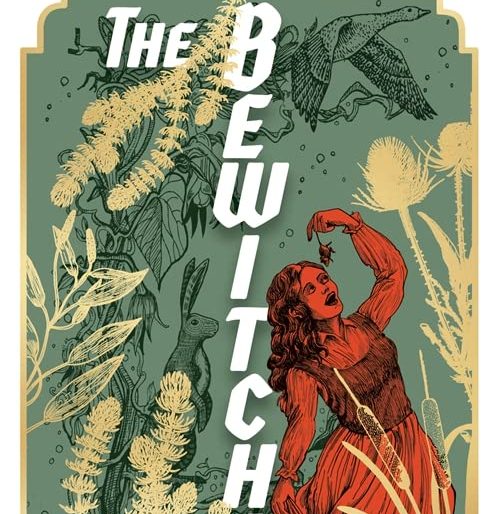
Jill Dawson, The Bewitching (Sceptre 2022)
https://www.goodreads.com/book/show/60038658-the-bewitching?ref=nav_sb_ss_1_21
This 16th century tale tells the true story of a woman accused by her neighbours of witchcraft.
Visiting her new neighbours in the Fenland village of Warboys, Alice Samuels meets the daughters of Squire Throckmorton, gifted the position by Sir Henry Cromwell.
One of the girls, Jane, is experiencing terrifying fits. Jane points to Alice and calls her an ‘old witch’.
Martha, the servant whose mother was a nun, looks after the Throckmorton children. Martha senses that there is some kind of ‘wrongness’ in the Throckmorton household. The son, Gabriel is in disgrace and is being sent away, and nobody knows why. She watches all this going on, but feels her position as servant doesn’t entitle her to say anything. The master is strangely keen to ask her counsel about things.
The fits spread to the other girls, and the doctor says the cause is ‘sorcery’. More ‘signs’ of Alice’s witchery arise—many of them simply tricks the girls use to get attention—many simply made up. Even the lice in Bessie’s hair are a ‘sign’. High-born as they are, their word is taken as evidence.
This is a credible account of a conspiracy theory gaining traction and snowballing, but the narrator, Martha, never actually denies the craziness, so the reader is swept along. It’s a bygone time, when life centred around the master’s great house. The local abbey lies in ruins; the black-hooded monks with their silver incense burners gone, the nuns told to get married. The old herbs are considered witchery, the old prayers popery. The dynamics between the servants, their masters and the children make the story all the more tragic.
It’s well written, and there are some lovely agricultural metaphors. I found it quite effective that the story was told from a servant’s point of view.
This review first appeared in Historical Novels Review.
 Susie Helme
Leave a comment