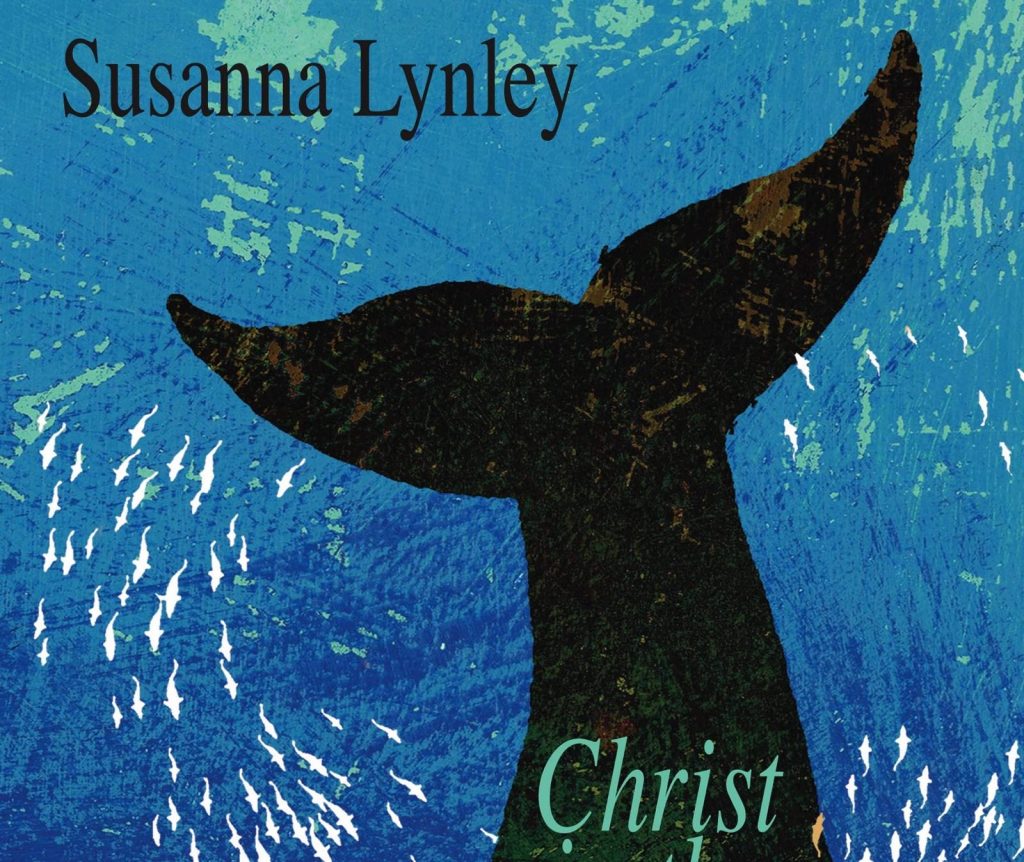
Susanna Lynley, Christ in the Belly of the Whale (Kindle 2022)
The Gospels announce the ‘goodnews’ of Jesus’ resurrection, but they don’t tell us the story.
Golgotha 14 Nisan 30CE. His uncle and foster father Amos the cloth merchant is among the six at the cross, watching Jeshua’s final suffering. The women of Amos’ family possess the secret of a blue dye ‘from the lightest shade of a bird’s egg to one so rich it rivals lapis for depth and clarity’.
It all began with a pair of chisels.
Amos tells a familiar story from an unfamiliar point of view. Like HBO Rome, the story inserts fictional characters next to the historical ones. This device is handy, seeing as there is so little we know about the historical Jesus.
The title is both catchy and inspired. Jonah—he in the whale’s belly—was a popular symbol for early Christians, representing both pious dissidence and Christ’s burial/resurrection.
It’s sometimes a 21st century take. A history or biography of the historical Jesus would be a different novel and probably impossible to achieve. For example, Amos says the ‘King of the Jews’ sign on the cross was ‘Pilate’s little joke’. We are not used to thinking of Jesus as some kind of contender for the throne. First-century observers would not have found the sign funny at all. Jesus rides in on a donkey to ‘be quiet’. First-century Jews would have recognised the stunt as a restaging of Zech 9:9. Though I myself have studied the historical Jesus for over 20 years, I think this is fine.
Backstory is managed with an admirable light touch and keeps within the Voice of each narrator. I loved Judas Iscariot’s: ‘What I did not know, what I wish I had known, is that he (Jesus) was weak.’ There’s a bit of Telling (not Showing), but the scene-setting is great. The details of the cloth trade are wonderful. The plot is inventive, with added intrigue as the sons of Yehuda the Galilean conspire against the peacemongers. It weaves in more than just the story we already know; it’s fun to read a book about Jesus that’s not all about Jesus. An Epilogue addresses the historicity question, with an impressive Bibliography.
There is no blasphemy, only imagination. Christian readers will love this. YA readers already conversant with the Christian mythology will find familiar people and elements. All will enjoy the lively, down-to-earth, intimate portrayal of everyday life in the 1st century.
This review first appeared in Reedsy Discovery.
 Susie Helme
Leave a comment