Tony Bassett, The Lazarus Charter (The Conrad Press 2020)
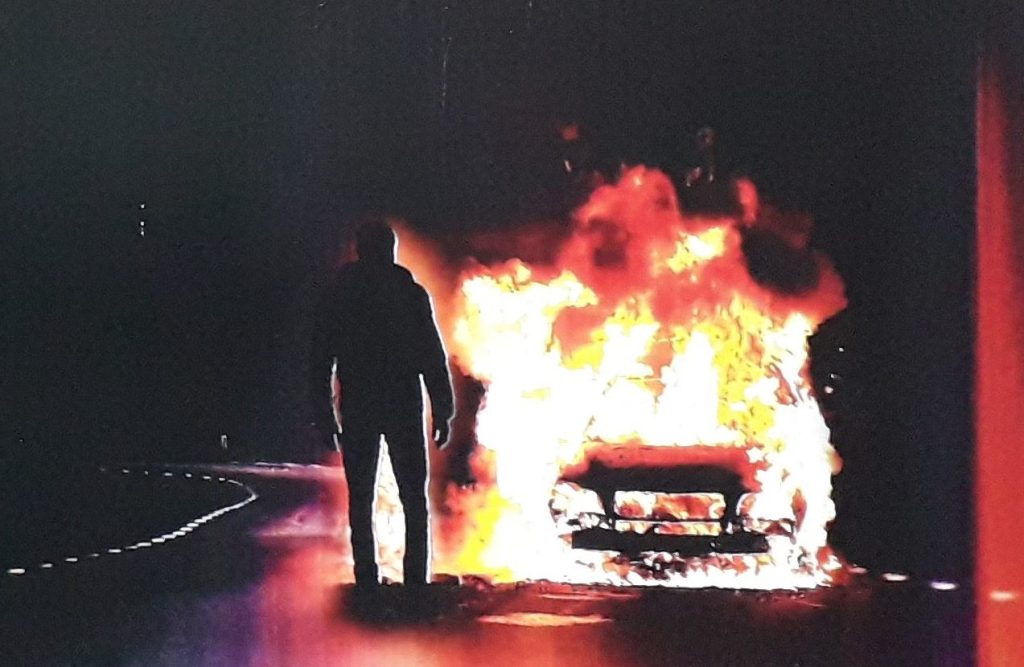
Bob sees his friend, Prof. Gus Morley, getting off a train at Euston Square, a train he shouldn’t have been on, on a day when he shouldn’t have been there. Five weeks earlier, he’d attended the man’s funeral, so his wife Anne thinks he was imagining things. Gus, a government scientist, had been in a terrible traffic accident where the car ended up in flames.
Bob tracks down Gus, who has changed his name and his appearance. Earlier, Gus had almost been run down by a lorry and was also involved in a drive-by shooting. After three suspicious incidents: the lorry, drive-by shooting, and burning car, Anne finally believes him and pledges to help him play detective (in fact she makes most of the breakthroughs).
Then an associate professor goes missing and turns up poisoned.
A bizarre plan seems to have been carried out, to fake Gus’ death. Who did this? And why? Bob and Anne are drawn into an ever-developing plot as they uncover the pieces to the puzzle. Men from some organisation are trying to kill them or kidnap them. Are they from Russian military intelligence agency? Or are they British military forces?
The detective story is quite realistic. It’s quite difficult to obtain information from pub staff, taxi drivers, ex workmates, etc.; even police find it hard to get people to open up. I found that the interviewees of the sleuthing couple were no more nor less forthcoming than would have been the case in real life. The puzzle pieces all make sense and fit together credibly. The Russians talk the way Russians really talk. I like that in a detective story.
It also helps that the action takes place in mostly beautiful English country towns, with people calling each other ‘old bean’. The story could make a Midsomer Murders-type TV episode. I’m picturing Tommy and Tuppence Beresford.
It would have been fun to have some more intricacy concerning the potential involvement of ‘the Russians’.
The sleuthing process starts out very slowly. It was a quarter of the way through the book before he even got Anne to believe him. The most important factor—the fact that Gus had been doing drone weapons research—isn’t revealed until page 136. The murder doesn’t take place until page 204. I would have liked a faster pace, especially in the earlier bit. If something like this happened to you in real life, the amateur sleuthing would be a fun project for you and your wife to do together, and the recounting of it would be a perfect conversational gambit at a party or at the pub, but as a novel, the story doesn’t get exciting until halfway through the book. After that, though, it’s quite exciting, and even at the end, new complications arise and new perps are unveiled.
This story seems to have been inspired by, and is dedicated to the victims of, the Russian poisoning incidents of 2008 and 2018, and it’s a great read.
 Susie Helme
Leave a comment