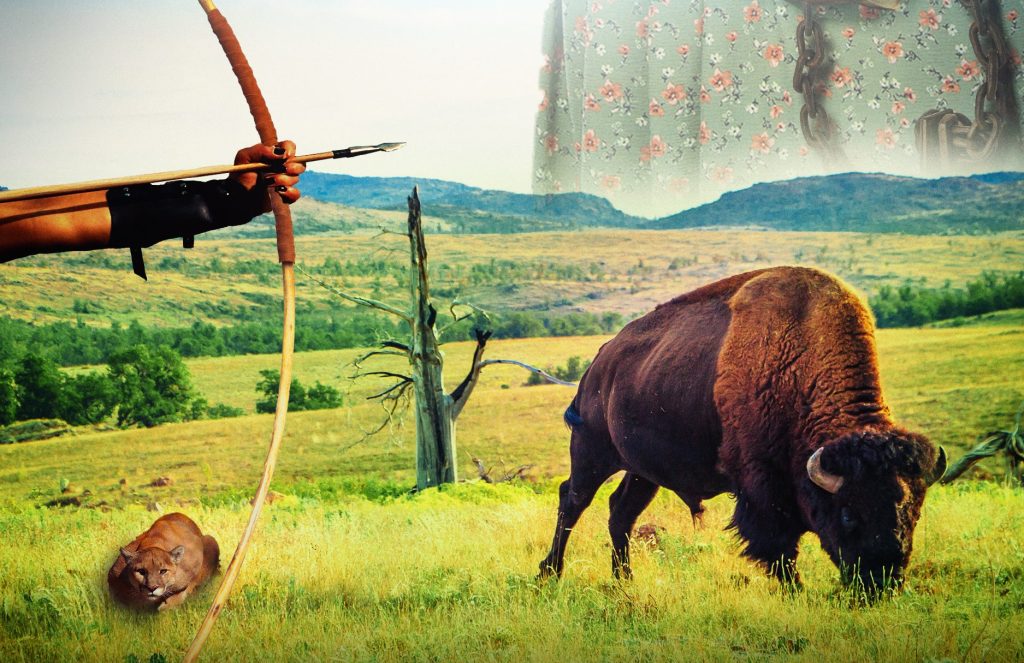
Marcus Abston, Standing Against the Wind (Chas Novels 2021)
Runaway slave Annabelle takes refuge with Grace’s Cherokee family in Indian Territory after her husband and child were murdered. Some Cherokee are slaveholders and Grace fears exposure by the Indian agents who come through town to check their records. She gives Annabelle a job working in the family store and falsifies a slave document to provide her with papers.
At the store Annabelle meets Grace’s cousins Tsula and Lisa, her sister Lizzie and her uncle George. Lizzie has conflicted feelings towards Annabelle as a Negro, as she fancied a half-Negro boy who rejected her. The boys in the family are Michael, Samuel, John and little David. John has closed his mind to anything that is not Cherokee. Uncle George places a whip on the counter, in case Grace needs ‘to keep Annabelle in her place’, and yet Annabelle is surprised to meet some slave owners who are nice.
Grace’s family struggle to love God in a world where slavery exists, and the Negro girl and Cherokee family find common ground in their anger against the white men. The Trail of Tears is still fresh in the memory of Elder Joyce, who counsels making an alliance with the Negroes and trusting in Jesus and teaches Annabelle Cherokee.
Annabelle misses her white friend Judy Mays. She befriends Doll, who is happy being a slave in the Thompson household. Annabelle brings water to slaves working in the fields. Some of their owners appreciate the gesture; some do not. Nancy and Lizzie are two characters who antagonise the girls, particularly Annabelle, and accepting Jesus into her heart helps her deal with it. Indian agents come to town and spread their vile racism everywhere they go.
The work could use a good hard editing. There are numerous sentences that I felt were not quite English, as if they had been translated from another language. ‘The town seemed to struggle with happiness’. ‘No feeling of fear was present’. ’They would rather kill themselves before changing for the better’. ’Crop fields large and small appeared to be their life source’. ‘He was a terrible example of Christian men’. ‘Annabelle was surprised by the bird’s anxious nature’. ‘Annabelle had now reached the level of not being allowed to greet Joyce with English’. ‘I can’t expect more since you’re so little of us’. ‘They’re waiting for a chance to take control and come through like a summer storm’. Many of the scenes would have worked better had the dialogue sounded less stilted.
It’s a good, strong concept—a runaway slave takes shelter with the Cherokee. Does their respective suffering at the hands of the white men mean they are natural allies? We come to love and understand the characters, and the plot is good. The book’s anti-racist message shines through. It’s also a story of forgiveness and redemption. Annabelle’s spiritual journey and struggle to find happiness in her new life is one we can all both applaud and learn from.
This is Book 2 of which Bloodlines was Book 1.
 Susie Helme
Leave a comment