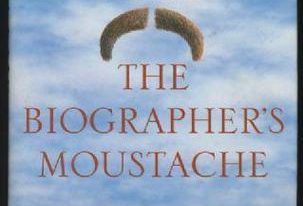
Kingsley Amis, The Biographer’s Moustache (Flamingo 1995)
76-year-old veteran novelist Jimmie (JRP) Fane and his fourth wife, 50-ish Joanna, are hosting a luncheon—or as people are not baronets call it, lunch. One of the invitees is literary journalist Gordon Scott-Thompson, ‘not bad looking if it weren’t for his moustache’, says Joanna.
With Gordon is girlfriend Louise. All the other guest are Lord-this and Lady-that. Gordon wants to write a biography of Jimmie. He can tell already, the old guy’s a right snob, hobnobbing exclusively with the noble and the rich. Gordon is of the belief that ‘decent writing can overcome almost any prejudice in the reader’. Furthermore, Joanna promised to fill him in on ‘the juicy bits’.
They arrange lunch and meet, Jimmie pontificating on ‘small restaurants’, ‘Americans’, ‘buffets’, his son-in-law, as well as critiquing people’s pronunciation of various words, then ordering the most expensive dishes on the menu. The next meeting is at Jimmie’s club, where they are joined by Tommie-this and Bobbie-that. Jimmie waxes pedantic on the pronunciation of words, and the conversation is all about nobles Gordon has never heard of. Tommie and Bobbie question the authenticity of Gordon’s double-barrelled name and his qualifications for the job of biographer due to his unfamiliarity with ‘the sort of society’ Jimmie frequents.
Meanwhile, Joanna tries to convince him to shave off his moustache, succeeding. Suddenly, she kisses him. Jimmie strongly advises Gordon against having an affair with his wife, hinting that his reason has to do with their class difference, but Gordon determines to reject the advice.
Madge Walker comes forward, volunteering info on when she dated Jimmie during the war. The moment her alimony payments stopped from her Peruvian ex-husband, Jimmie went cold. She found out from someone else that he was engaged to an heiress.
Joanna shows up at Gordon’s flat to commence their affair and is visibly disappointed by the cheapness of the décor. An invite to weekend at Duke Willie’s country pile stirs up the quadrangle, further complicated by the additional presence of Mrs Fane Number 2.
As the job progresses, Gordon becomes ever more a part of the story he is writing.
This was written in the latter part of this prolific writer’s career (1995), long enough ago as to seem quaintly old-fashioned. The subject matter being a (hopefully) dying class adds to that. The toffs are depicted and poked fun of with subtle sarcasm, the writing exceptionally skilful.
 Susie Helme
Leave a comment