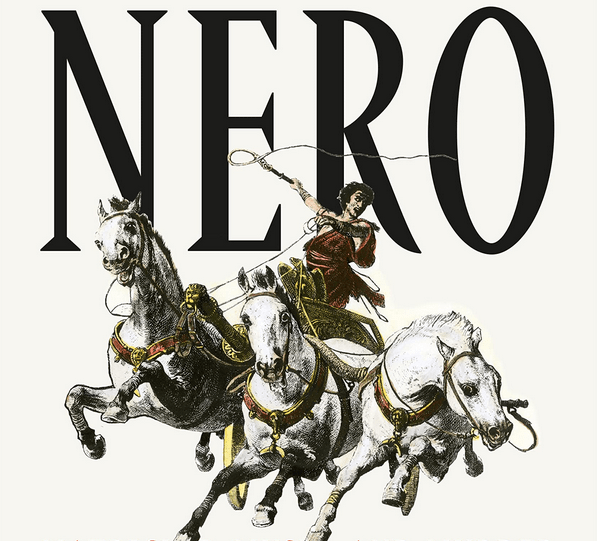
Anthony Everitt and Roddy Ashworth, Nero: Matricide, Music and Murder in Imperial Rome, (Random House, 2022)
A wonderful telling of the history
The author goes chronologically through the history of imperial Rome up to and including Nero, pointing out events and genealogies and their significance, from time to time branching off to tell a juicy story, such as when Caligula sacrificed a flamingo, leading to his assassination. Even his genitals were stabbed. Decimus Valerius Asiaticus, whose wife Caligula had slept with, said he wished he had done it.
The structure is roughly chronological, while taking time out now and again to examine certain themes in greater detail—Roman cultural practices, the emperors’ sexual behaviours—which I thought was the perfect way to do it.
It leaves in all the ‘dirt’ in the stories, such as the gruesome suicide of Cato the Younger, pulling out his own intestines, and doesn’t omit any of Suetonius’ slanderous gossip, so that’s great fun. Pays great attention to the ancient sources, while pointing out the political and personal prejudices of the ancient writers.
I particularly loved the famous quips people said about people. When Caligula asked Gaius Salustius Passienus Crispus whether he had, like Caligula, slept with his sister, Passienus fudged the question with ‘not yet’. Juvenal wrote that Claudius’ third wife Valeria Messalina prostituted herself in a brothel ‘reeking of ancient blankets’. After Claudius’ death, Seneca, whom the emperor had banished to Corsica, got revenge by writing a satirical play entitled The Pumpkinification of the Deified Claudius. When a soothsayer predicted baby Nero would be emperor and would kill his mother, Agrippina said: Occidat dum imperet (He can kill me but just let him rule.) As we all know, Nero’s famous last words were ‘God, what an artist in me is dying.’
So, was Nero a bad guy, or what? By and large, he was loved by the plebs, hated by the senators. He may as well have slept with his mother, he was so under her thumb, and he admitted openly that he murdered her. No, he probably did not set fire to Rome, though he may well have fiddled (actually, played the cithara) as it burned—that was how he generally reacted to momentous news. The stories of burning Christians are iffy. As an artist, he was monomaniacal but mediocre. As a ruler, he was no worse than many.
See review on Goodreads.
 Susie Helme
Leave a comment